Scope: EMEA
+/-28% -> +/-5%
Forecast variance
MxM Revenue Engineering makes your forecast board-defensible before the board asks why forecast and actuals diverged. Built for B2B SaaS companies at $5M-$50M ARR.
When forecast and actuals diverge, the board will ask why. MxM installs the controls that close the gap before they do.
Built by an operator with 20+ years inside Microsoft, HPE, and Philips revenue systems across 19 markets.
Free 10-minute Revenue Diagnostic
10 minutes · No system access · No data upload
Get your Revenue Validation Priority in 10 minutes.
Questions likely to surface under board scrutiny
Based on your 10-minute answers · No system access · No data upload




Who This Is For
For B2B SaaS companies around $5M–$50M ARR where revenue reporting has outgrown informal controls.
Especially relevant when board questions are getting sharper around forecast accuracy, pipeline quality, CRM hygiene, billing alignment, or whether the company's data is ready for AI-assisted decisions.
For deeper validation, the paid Scorecard is a fixed-fee audit from $8,500, delivered in 10 days, using CSV or anonymized exports. Designed for $5M–$50M ARR SaaS teams.
Not sure if the Scorecard is the right next step? Book a 30-minute pre-engagement call. We'll walk through what we'd look at in your specific situation and how the Scorecard hands off into Controls Install if the audit finds material gaps.
Every quarter, someone walks into the room and the number changes. Not because the pipeline changed. Because the conversation did.
That is forecast by negotiation.
79% of sales organizations miss their forecast by more than 10% (SiriusDecisions research, via Forrester). The median misses by 15–25% (Optifai Sales Ops Benchmark, 287 B2B companies, 2025). The Revenue Integrity Scorecard names exactly where your version of that miss is hiding.
Every dollar mapped. Every gap sourced. Every delta documented.
Variance under 10%. Board deck in under 5 minutes.
Modeled scenario: up to $600K in recoverable revenue distortion at $20M ARR.
You are not early enough for loose pipeline hygiene anymore. And you are not mature enough to absorb another missed forecast as “normal.”
MxM is built for sales-led B2B SaaS teams, usually between $5M and $50M ARR, where one missed forecast has become a recurring board-cycle problem.
CRM says one thing. Finance says another. The bank account tells a third story. Before every board meeting, the team burns hours reconciling numbers that should have agreed before the deck was opened.
For founders, CROs, CFOs, and RevOps leaders who have lived that cycle, MxM installs the control system that makes the forecast board-defensible before the next quarterly cycle.
We reconcile, not advise.
They can see the number. They cannot explain it, defend it, or change it before it becomes a miss.
Reports on what happened.
Govern what is allowed to happen.
| Internal RevOps | RevOps Agency | MxM Controls System | |
|---|---|---|---|
| Primary metric | Operating velocity | Delivery throughput | Forecast accuracy |
| Incentive | Keep the number moving | Complete the workstream | Test the number |
| Outcome | Dashboard theater | Manual workarounds | Board-defensible revenue |
RevOps reporting on the pipeline they helped build is like asking the driver to be the speed camera. The issue is not skill. It is independence.
Your pipeline report shows healthy coverage. Reps update close dates when asked. Nobody is lying. The math just never matches what you see at quarter-end.
Coverage sits at 3.4x. Your win rate is 22%, which means you need 4.5x to close the quarter. Nobody flags the delta until week 11. At that point the quarter is gone and the pipeline fix is someone else's problem.
No stage-exit criteria. Reps set their own close dates and the system accepts whatever they enter. Deals that should have been retired months ago are still counting toward coverage.
The Red List
The Red List maps the failure modes we test in every Scorecard. See the full list →
CRM exports, forecast snapshots, billing records, board deck inputs, pipeline history. No new system. No long implementation. Just the records behind the number.
Week-11 PCR and unretired quota snapshot with segment controls exposed before the board package is built.
MxM Revenue Engineering compares the forecast narrative against the operating data behind it. Where stage logic is weak. Where renewals drift. Where manual reporting creates exposure. Where the board question will likely land.
CRM, billing, and bank deltas are reconciled into a single before-and-after control view.
Not another dashboard. A clear view of which numbers are defensible, which assumptions need support, and which risks should be addressed before the board asks why.
Forecast and actuals governed by the same control logic. The band narrows quarter over quarter as pipeline hygiene holds.
Next step
Fixed fee from $8,500, scoped before work begins. Delivered in 10 days.
These are prior in-house operating outcomes from Microsoft, HP/HPE, and Philips. They explain where the methodology came from. They are not presented as MxM client case studies.
MxM is a new firm. These figures come from prior in-house operator roles, not MxM client engagements.
Sales Strategy and Planning, EMEA Enterprise Group
Senior Sales Operations Manager, CEMA Security
Sales Excellence Manager, CEE
We don't sell hours. We sell reconciled outcomes. Choose the protocol that matches your current scale.

I don't just diagnose the distortion in your pipeline. I build the revenue machinery that eliminates it.
20+ years in enterprise RevOps across HPE, Microsoft, and Philips. No junior analysts. No offshore delivery. The same operator who governed the controls builds yours.
MxM Revenue Engineering
Built inside Microsoft, Hewlett Packard Enterprise, HP, and Philips
MxM Revenue Engineering is a new firm. These figures come from the founder's prior in-house leadership roles, not client engagements.
Founder backgroundFree 10-minute diagnostic
20 questions, no system access. Get your Revenue Validation Priority in 10 minutes.
From the Insights hub
Each article reduces one buying objection before we speak.
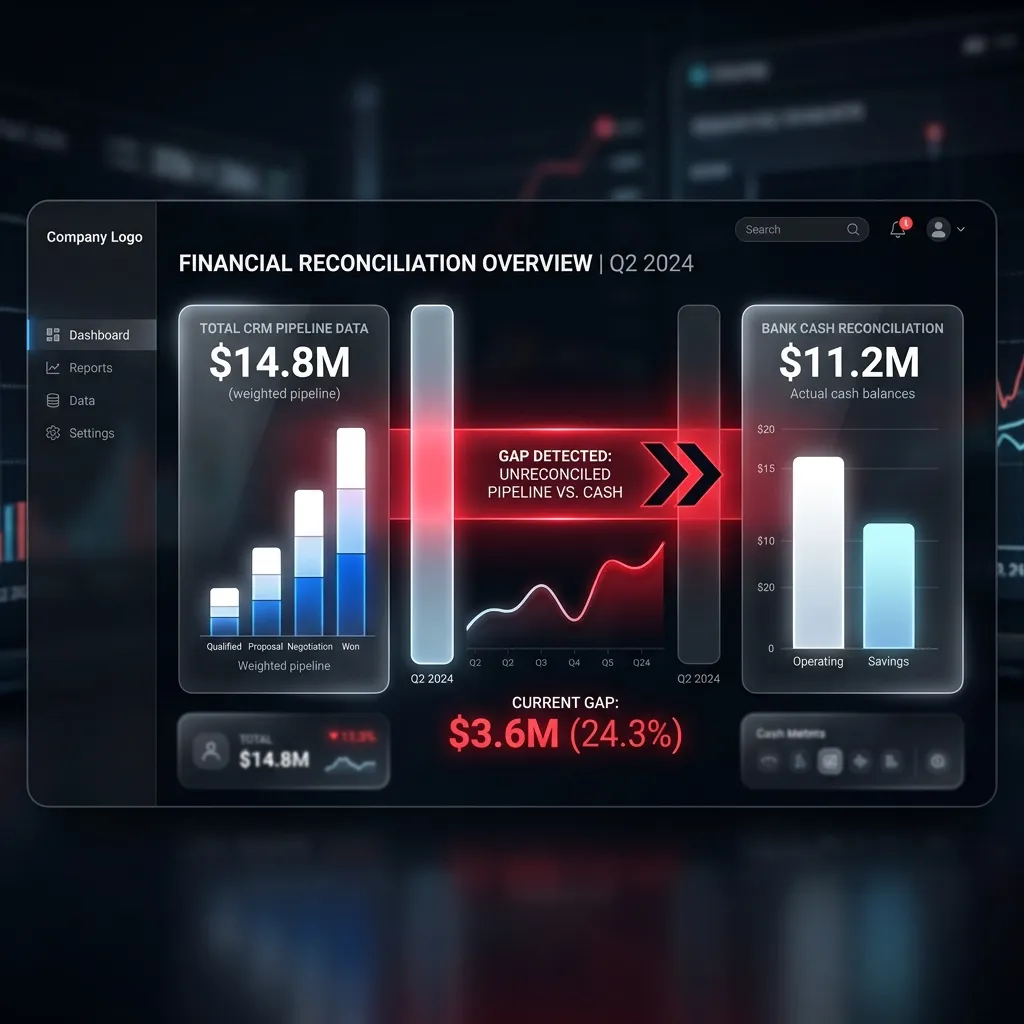
Reconciliation
Correct-looking numbers can still fail under scrutiny when CRM, billing, and cash cannot be traced to the same cohort.
Read before the first call →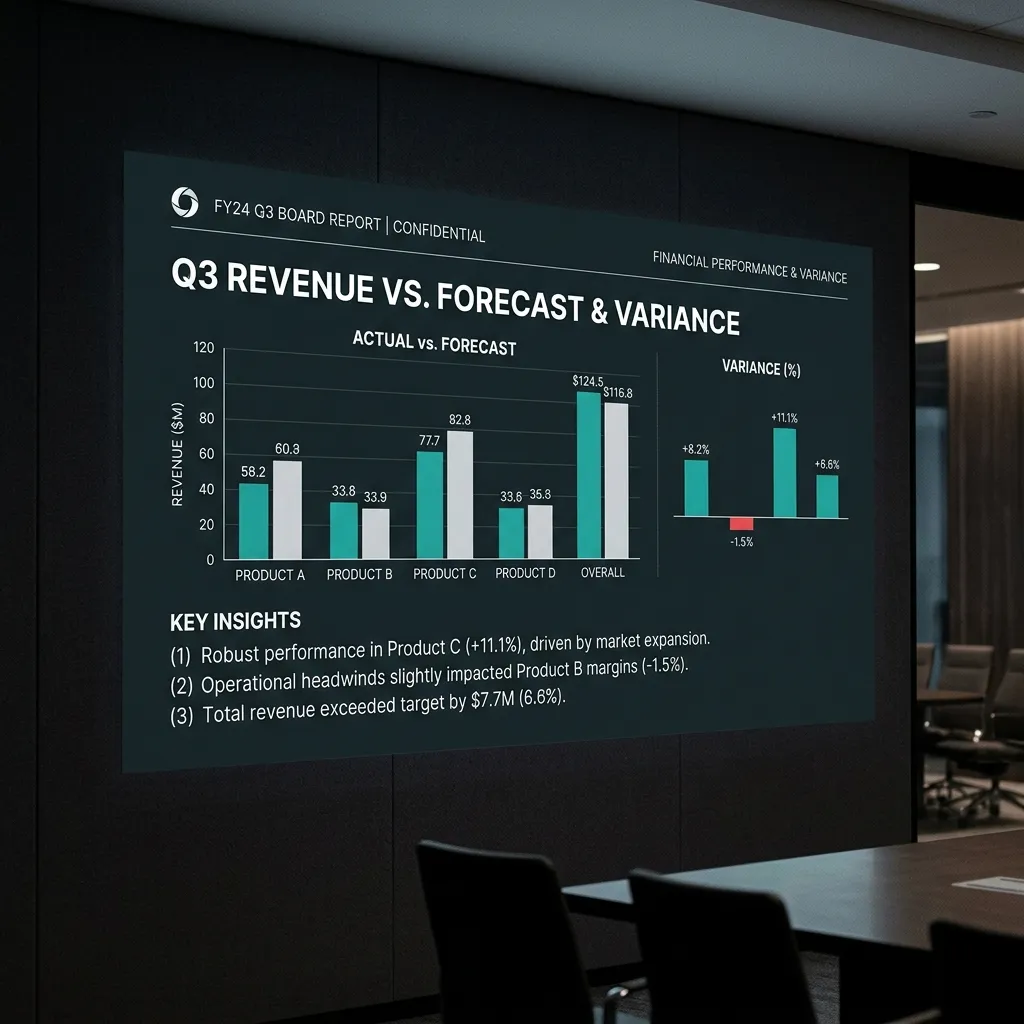
Forecasting
Where forecast confidence breaks between CRM, billing, and board reporting, and what it takes to close the gap.
Read before the first call →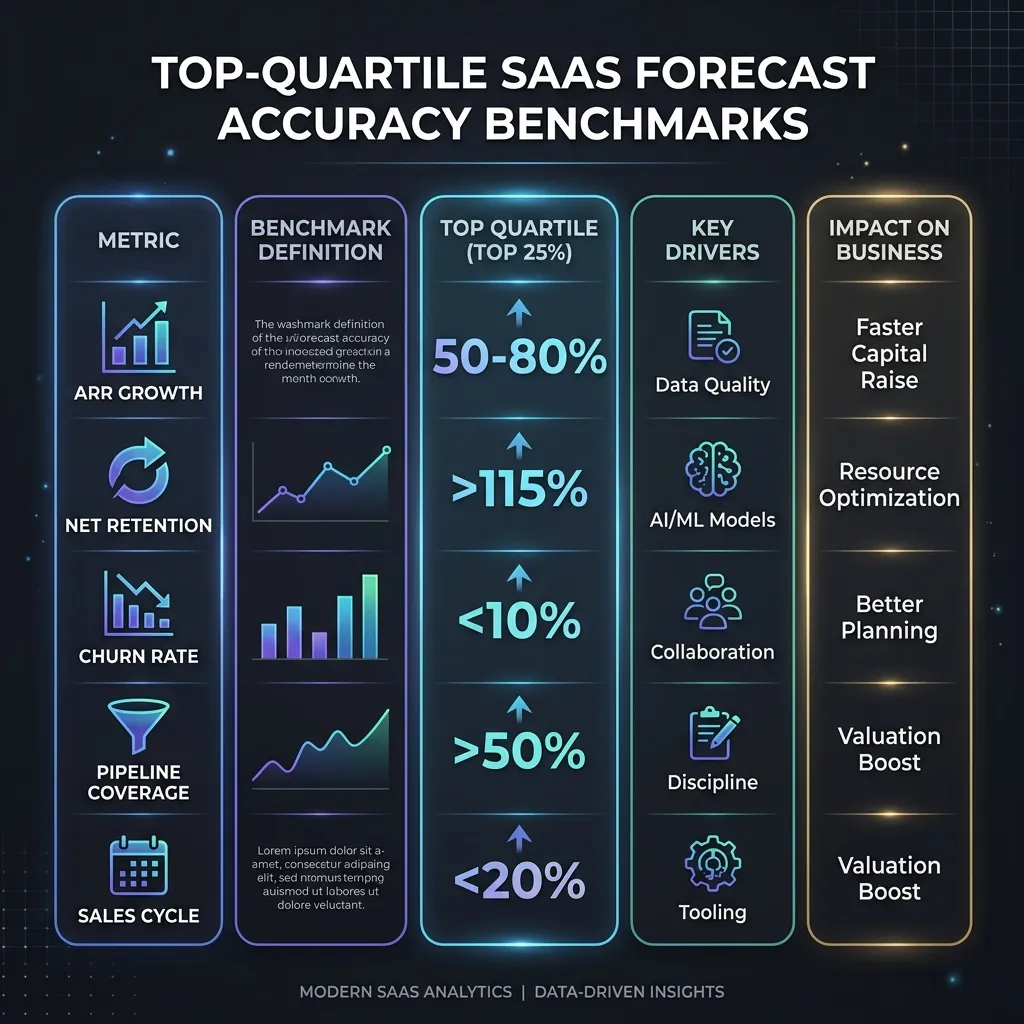
AI Readiness
AI tools amplify whatever signal they receive. Companies with weak revenue controls are more exposed as AI-assisted board scrutiny becomes standard.
Read before the first call →Common Questions
Revenue Engineering is the operating discipline that connects governed pipeline data, stage-exit controls, forecast integrity, and AI-ready GTM workflows into one Revenue Control System. MxM applies it as a governance discipline, not a job title or a software product: the Scorecard diagnoses missing controls, the Controls Install closes them, and Governance keeps them stable.
Big 4 advisory typically starts from a blank-slate framework and builds a report over several months. MxM Revenue Engineering runs a structured diagnostic against your actual CRM, billing, and forecast data and delivers board-ready findings in 10 days.
The Scorecard is a structured audit report covering maturity level, control gaps, cost of broken forecasting, and board-reporting traceability. A sample is available to review before any commitment.
You do. MxM Revenue Engineering works from CSV or anonymized exports only: no system access, no API connections. Data is used only to produce the Scorecard and is not retained after delivery.
MxM Revenue Engineering is designed for B2B SaaS companies around $5M–$50M ARR where revenue reporting has outgrown informal controls. Companies outside this range may still be a fit. The 30-minute pre-engagement call is the right place to check.
The Revenue Integrity Scorecard is MxM's fixed-fee diagnostic engagement. It tests 20 revenue controls across five operating dimensions, including stage-exit evidence, forecast governance, and booking-to-cash reconciliation, using CSV exports from your CRM, billing, and finance systems. The output is a ranked list of control gaps with a recommended fix order, not a presentation.
Fixed-fee pricing means the scope is defined before any work begins. You know what you are getting, what it costs, and when it arrives. No scope creep, no ambiguous invoices.
The Scorecard identifies gaps. Controls Install addresses the underlying operating checks if material gaps are found. Governance maintains the system afterward. Each engagement is scoped separately, and findings can be handed off to an internal team if that is the preferred path.
MxM Revenue Engineering is not a RevOps implementation role. The Scorecard tests whether existing revenue systems produce board-defensible outputs. It works alongside RevOps, not instead of it.
Most resistance comes from how governance programs are introduced, not from what they do once running. When stage-exit criteria are rules-based and enforced in the CRM, no individual is the enforcer. The regional leader stops having to police deals or absorb pressure from above to advance an unqualified opportunity. The standard holds the line. Leaders who have run inside governed systems report fewer arguments about whether deals belong in commit, and more time on how to close them.
The readiness check shows where your revenue numbers are likely to break under that question. The Scorecard validates it against your actual CRM, billing, forecast, and board reporting.
We don't share or sell your contact information.