
The Promise and the Premise
AI forecasting tools offer a version of the same promise: faster signal, better pattern recognition, earlier warning of pipeline risk. That promise is real under one condition: the data the AI reads must reflect what is actually happening in the business.
CRM data where stage progression is subjective, close dates drift by rep, and renewal risk arrives late is not better forecasting input because it passes through an AI model. It is the same uncertain input, now inside a system that presents outputs with machine confidence. That is a risk most AI adoption conversations underweight.
What AI Tools Actually Amplify
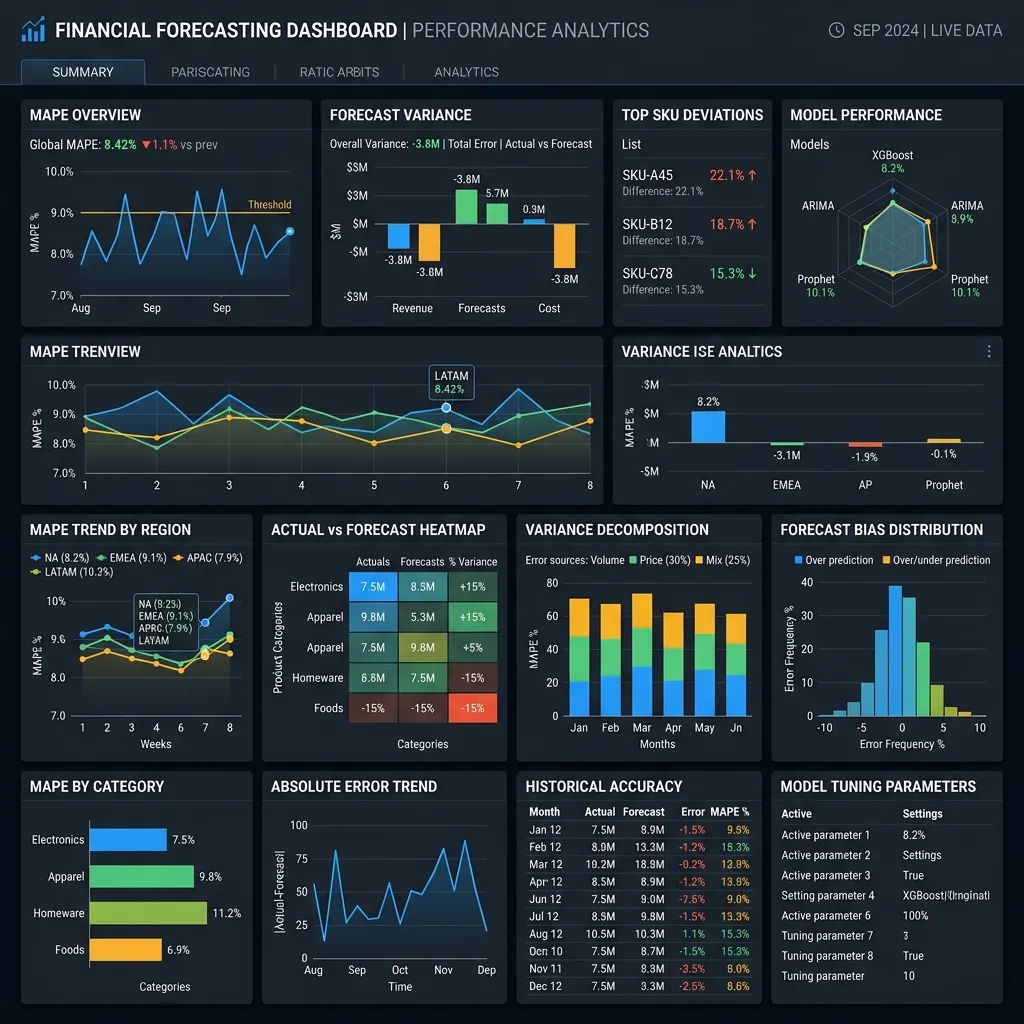
An AI forecasting layer reads the operating data the company already has: CRM stage history, pipeline age, deal velocity, renewal signals, and submission patterns. It then produces predictions, risk flags, and recommended actions based on what it observes in that data.
The amplification works in both directions.
A company with clean stage definitions, consistent close-date hygiene, and reliable renewal tracking gives the AI useful patterns. The model learns what a real Stage 4 opportunity looks like, what a risky renewal signals, and how pipeline age correlates with close probability. The outputs are more useful because the inputs are more honest.
A company with informal stage definitions, stale pipeline, and manual reconciliation gives the AI noise. The model learns the patterns in that noise. It flags risk on deals that seem slow but are actually normal for the segment. It surfaces confidence on pipeline that looks active but has not advanced on observable evidence. The outputs may feel precise. They reflect imprecise inputs.
The Board Scrutiny Effect
The more important shift is not what AI does to internal forecasting. It is what AI does to external scrutiny.
Boards, investors, and acquirers are starting to use AI-assisted analysis to review pipeline, forecast submissions, and revenue data more systematically. A PE firm running diligence on a Series B company can now process CRM exports, billing history, and forecast version data faster and with more pattern recognition than a team of analysts could three years ago.
What they find is what the data shows. If the pipeline has been actively managed with stage discipline and clean close dates, that discipline is visible. If deals have been sitting at the same stage for twelve weeks with no observable movement, that stagnation is also visible.
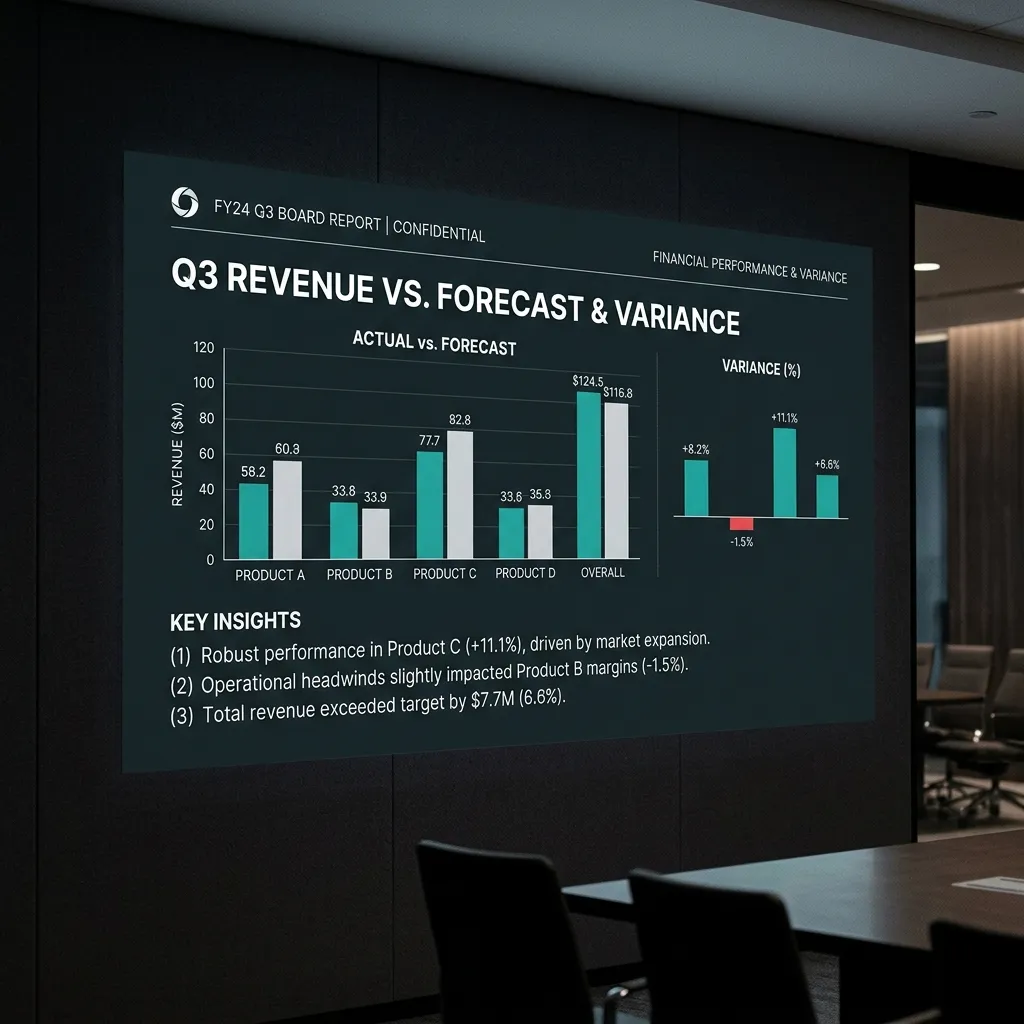
The bar for what constitutes a credible revenue submission has moved. A confident slide and a plausible narrative were sufficient for many board interactions at earlier stages. AI-assisted review shifts the bar toward evidence that survives pattern analysis, not just presentation.
The Control Gap Becomes Legible
What AI actually does to revenue control gaps is make them legible to more people, in less time, without requiring deep operating knowledge.
A CFO can look at AI-flagged pipeline risk and ask a much more specific question: this deal has been at Stage 4 for nine weeks and the close date has moved twice. What is the actual evidence of progression? That question required deep CRM familiarity two years ago. AI surfaces it automatically.
Companies with strong revenue controls benefit from that shift. The AI findings confirm what leadership already knows: the pipeline is clean, the definitions are shared, and the forecast has an evidence trail. The board conversation gets faster and more strategic.
Companies without those controls face a different outcome. The AI findings surface the fragmentation, the stale deals, the definition drift, and the manual reconciliation that leadership has been managing informally. What was previously an invisible operating gap becomes a visible board agenda item.
Before the next board cycle turns AI-surfaced control gaps into agenda items, it is worth quantifying what those gaps are actually costing today. Model the revenue exposure from definition drift and stale pipeline against a corrected control baseline to see which fixes carry the largest financial return.
What AI-Ready Revenue Data Actually Looks Like
AI readiness is not a technology question. It is a data quality question. Revenue data that produces reliable AI-assisted outputs has a set of properties that are achievable without new software:
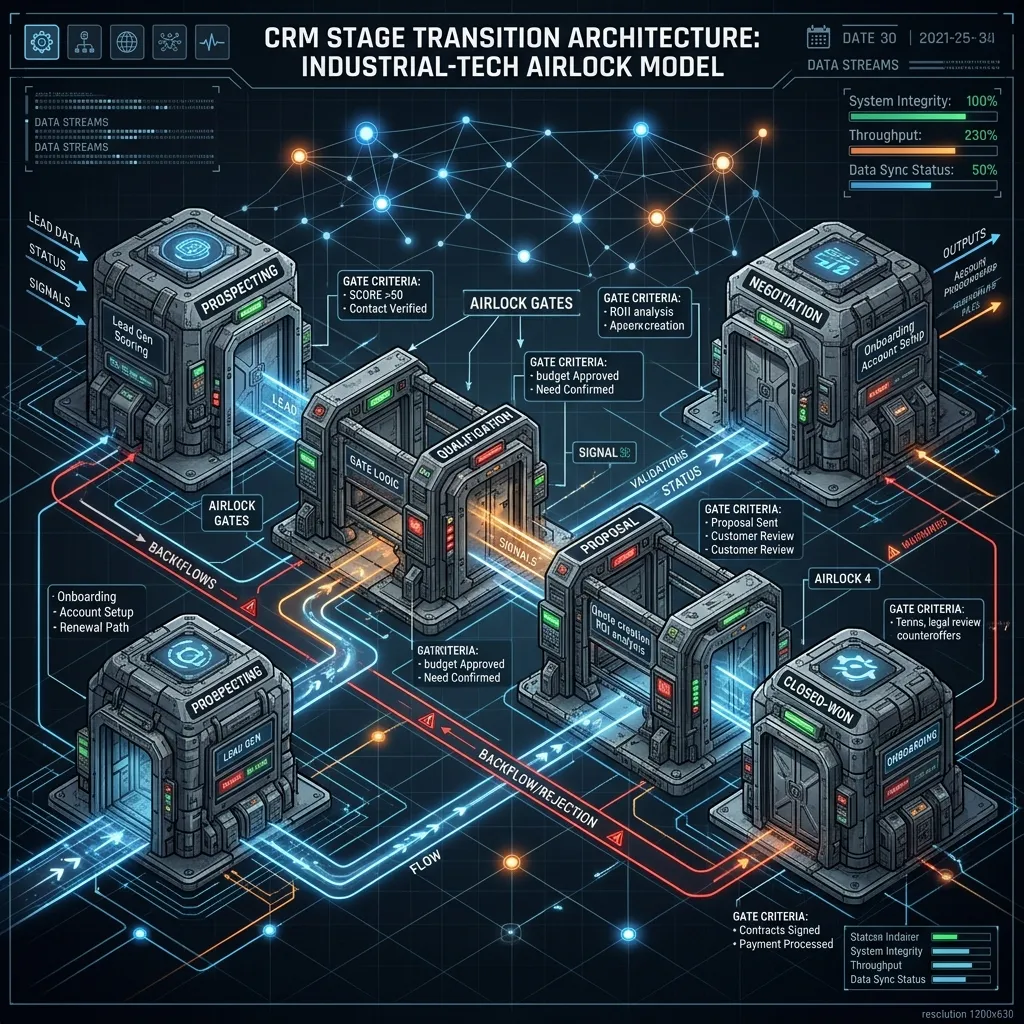
- Shared stage definitions: every deal at Stage 4 meets the same observable criteria, not the rep's confidence level.
- Active close-date discipline: close dates reflect the best current evidence of timing, updated regularly and not anchored to the original commit.
- Renewal visibility: at-risk renewals are identified from operating signals before the renewal date, not in the week the contract expires.
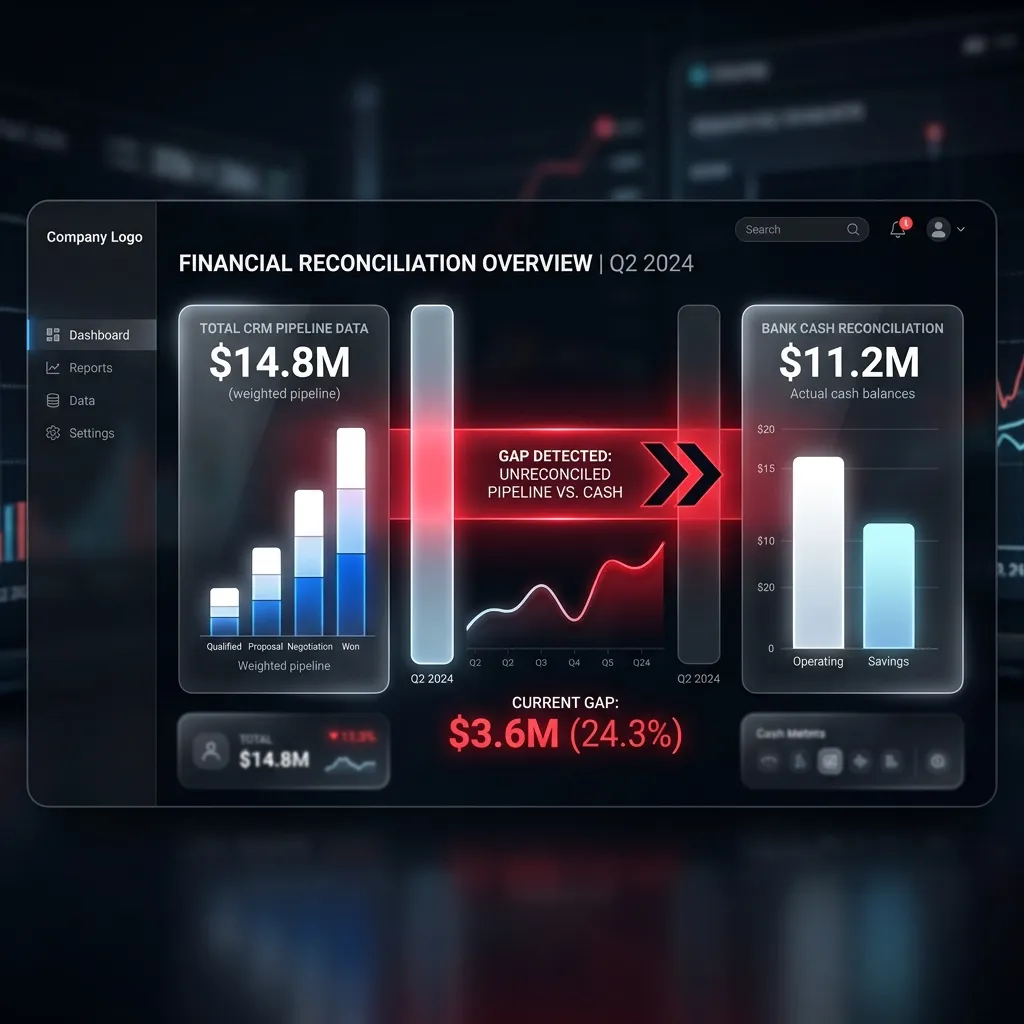
- Reconciled sources: CRM, billing, and finance records are compared on the same cohort of deals, with documented reasons for any gaps.
- Version history: forecast submissions are tracked over time, with visible changes and assigned cause codes.
Those properties are the foundation of a controlled revenue system. They are also what makes AI analysis useful rather than misleading.
The Sequence That Matters
AI adoption does not require a controlled revenue environment. Board confidence in AI-assisted forecasting does.
The companies that benefit most from AI forecasting tools are the ones that have already done the underlying controls work: stage discipline, definition alignment, billing reconciliation, and version history. For those companies, AI is an amplifier of an already-sound system.
For companies that have not done that work, AI adoption runs the risk of producing confident-sounding outputs from a fragmented data foundation. The board meeting gets more data faster. The explanation of that data becomes more complicated, not simpler.
The Revenue Diagnostic identifies which controls are in place and which are producing gaps the board is most likely to question. That is the work that makes AI adoption commercially sound rather than operationally risky. See how MxM sequences that work in AI Revenue Engineering.
The Red List
This article maps to CRM-to-Cash Drift, Definition Drift, and Forecast by Exception, three of the 20 failure modes MxM Revenue Engineering tests in every Scorecard.
View the Red List →