
The Physics of Signal Decay
Forecast pressure is not the problem.
Pressure becomes a problem when the forecast has no evidence standard.
In that environment, leaders ask for certainty, managers negotiate confidence, and reps learn which answers reduce friction. The result is not better accuracy. It is a cleaner-looking forecast built on a weaker revenue signal.
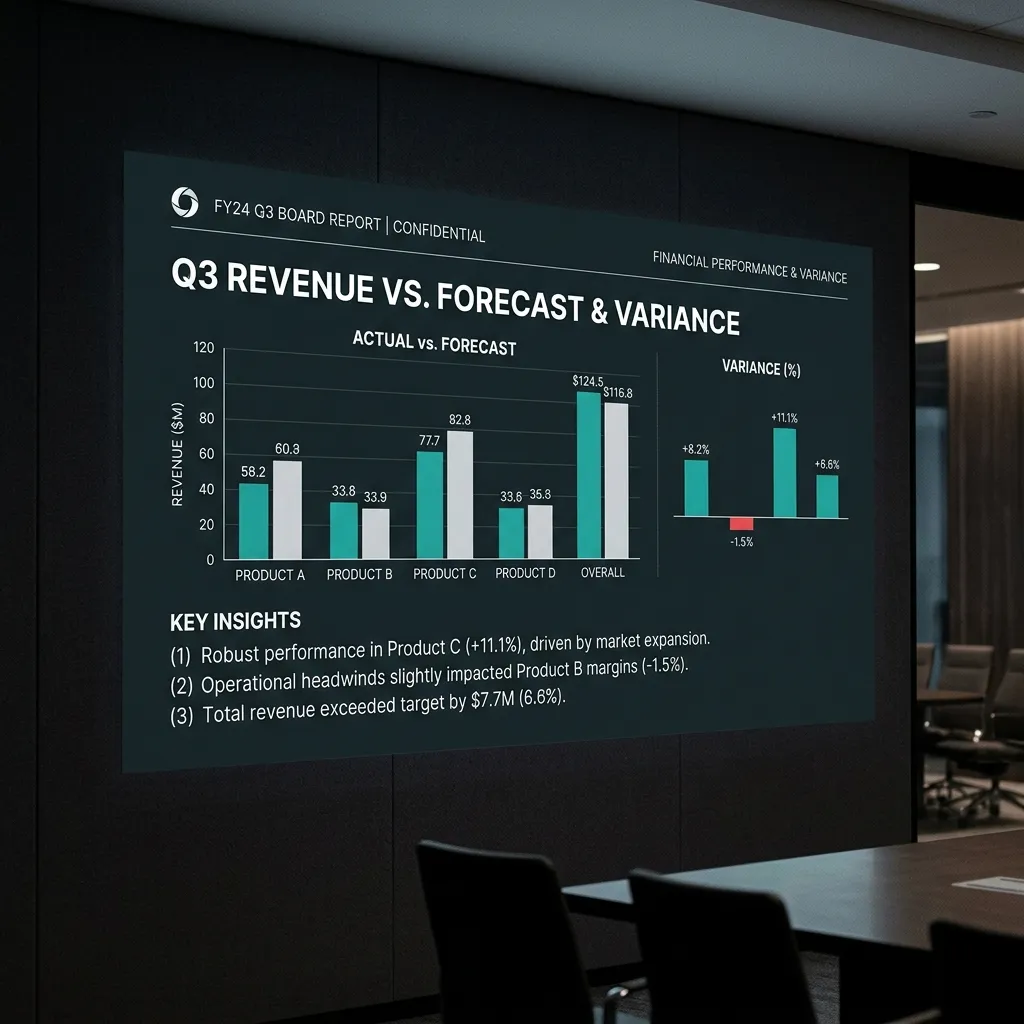
When a forecast is shaped by qualitative inspections rather than observable buyer actions, it ceases to be a planning tool. Instead, the CFO receives a negotiated compromise. The board deck presents a stable, weighted number, but the billing and cash collections engines are forced to absorb the downstream variance.
A B2B sales forecast is a feedback loop. Its utility depends entirely on the integrity of the data points entering the system. Yet, when GTM performance gets shaky, the default executive response is to increase qualitative pressure. Leaders demand higher commit confidence, mandate more frequent deal reviews, and push managers to squeeze certainty out of their reps.
This qualitative pressure acts as a noise-amplifier. In environments where removing a deal from the commit line triggers immediate administrative friction or organizational pain, GTM teams adapt. Weak opportunities are kept alive on paper. Close dates are pushed late on Friday. Risk is systematically softened, and bad news travels slowly. The visible symptom is an inflated pipeline coverage ratio that looks healthy while the underlying signal degrades.
The result is a classic control problem. The pressure increases, and the actual revenue signal gets quieter. This does not require bad intent. It is the logical consequence of a GTM data model where presenting confidence is safer than presenting truth.
The Systems Architecture Issue
This forecast variance is not a sales performance issue: it is a systems architecture issue. The business has built a reporting structure that demands confidence without providing the objective evidence standards needed to verify it.
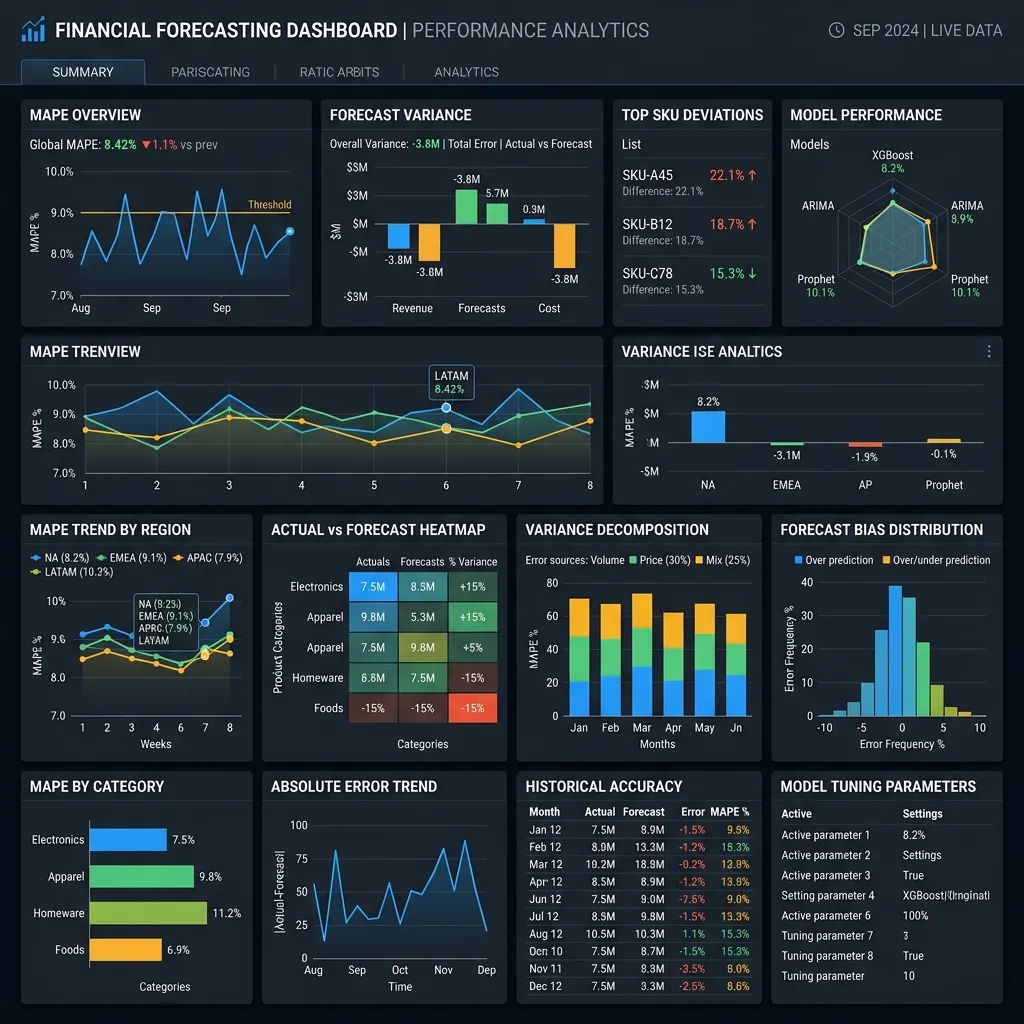
Before installing evidence gates, it helps to quantify the revenue at risk hidden in a pressure-inflated forecast, so the fix is framed against dollars leadership can plan around, not against a compliance argument.
Operating Rule
Subjective Commits vs. Evidence Standards
Subjective forecast reviews treat pipeline progression as a sentiment metric (e.g. rep confidence). Systems-driven forecast controls treat progression as observable buyer evidence: measurable, verifiable buyer actions that are either complete or incomplete.
Building the Safety Valve: Evidence-Based CRM Gating
The operational solution is to decouple forecast inspection from qualitative pressure. We do this by automating exit gates within the CRM workflow. By replacing subjective seller declaration with binary buyer evidence, you eliminate the pressure-induced negotiation entirely.
- Standardize the Evidence: Define explicit, buyer-initiated milestones for each stage. A deal does not enter the proposal pipeline because the rep had a great meeting. It enters because the buyer has returned a completed security questionnaire or sandbox access, security review, mutual action plan, or confirmed implementation path.
- Enforce the Airlocks: Configure validation rules and exception paths that prevent opportunities from advancing if required binary milestones are empty. This removes the "commitment debate" between managers and reps.
- Make Clean Disqualification Safe: Track and celebrate clean pipeline contraction. If your RevOps system penalizes a rep for removing a stale deal, the system is actively paying for dirty data.
Re-Aligning the Operating Cadence
True forecast integrity does not require less accountability. It requires a fundamental shift in what GTM leaders reward. Reward the sales manager who identifies and purges an unviable $100k deal on Day 30. Reward the representative who identifies a stalled buying committee early enough to reallocate technical resources.
The most resilient GTM architectures build enough structural safety for operational truth to surface, and enough system-level discipline for that truth to matter. This is not a management philosophy: it is an operating standard.
The Red List
This article maps directly to Forecast by Exception and Happy Ears Forecasting, two of the 20 critical revenue control points evaluated in our diagnostic.
View the Red List →